
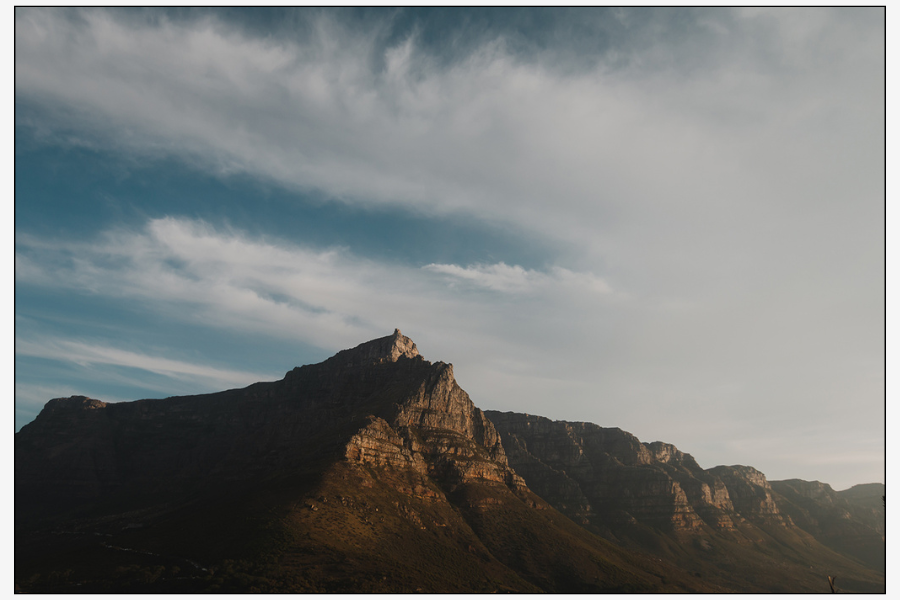
A beleza natural de Cape Town é uma das coisas mais bonitas que já vi. A primeira coisa que nossos olhos captam ao chegar neste lugar é a exuberante, esplendorosa e imponente cadeia de montanhas que entrelaça a turística capital legislativa da África do Sul. Mas essa beleza fascinante esconde uma triste realidade social, econômica e política.
Em 2018, a África do Sul atravessava uma crise que viria a ser crucial. Naquele ano, Jacob Zuma, presidente em exercício há mais de uma década, renunciava ao poder após escândalos de corrupção e prejuízos bilionários na economia1. Como observador externo que acabara de chegar àquele país, pude testemunhar o contraste que havia entre a África turística e a realidade do cotidiano, reflexo de um passado recente de muito sofrimento.
Há pouco mais de meio século, leis e ações de segregação racial eram implantadas sistematicamente sobre aquele povo2. Os negros não podiam se misturar com os brancos – bairros, cidades, ônibus, praias… tudo separado só para os negros. Essas limitações se estenderam à educação, consequentemente gerando mão de obra barata e dificultando também o desenvolvimento profissional dos negros no país3.
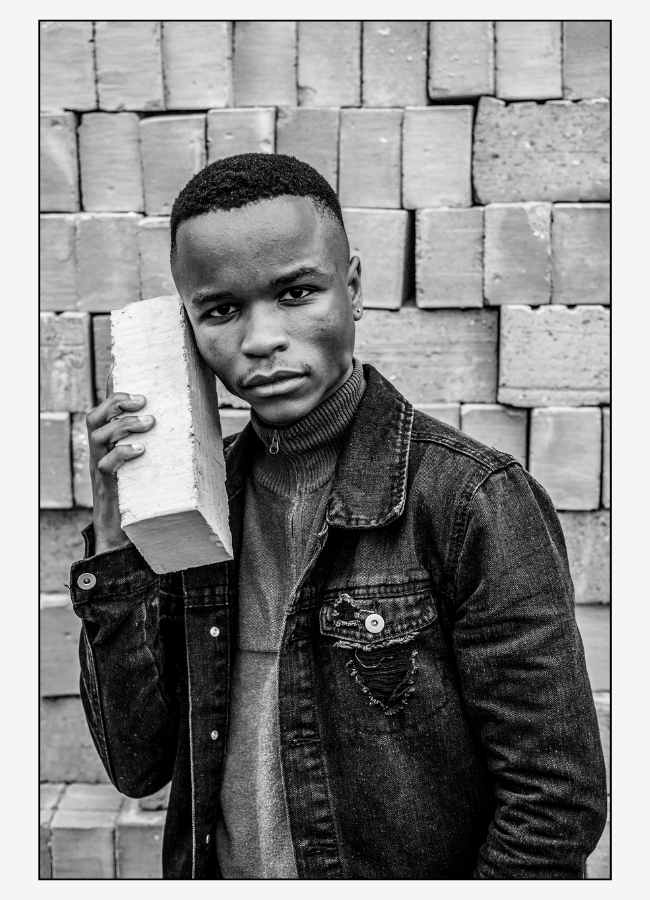
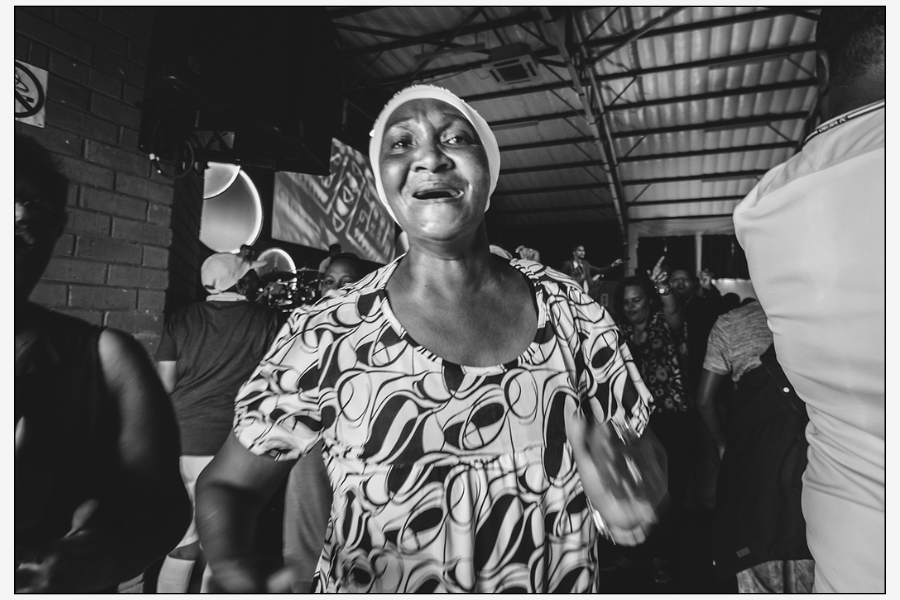


A história da África do Sul começou a ser reescrita a partir dos anos 40. Sob a liderança de Nelson Mandela, o país deu seus primeiros passos para uma nova fase – combate às leis injustas do apartheid, perseguição, radicalização da luta, prisão do líder, até que, em 1994, Mandela foi eleito o primeiro presidente negro do país.
Entre tantos assentamentos e subúrbios criados pelo governo do apartheid, Mitchells Plain foi uma dessas áreas. Situado a 28 km do centro da cidade4, entre a bela região de Muizenberg – principal ponto de surfe de Cape Town – e a insalubre região de Khayelitsha – onde se localiza um dos maiores e mais pobres assentamentos5, onde não há saneamento básico adequado para a maioria, onde muitas famílias moram em contêineres e os banheiros são comunitários –, está Mitchells Plain.
Foi neste cenário de contrastes sociais, culturais e de criminalidade que desenvolvi, ao longo de 2018, um trabalho documental fotográfico e despretensioso das realidades da comunidade ao meu redor. Inserido na vida religiosa de uma comunidade de fé cristã local, vi de perto os projetos desenvolvidos pela Hillsong local. Com o lema “edificar pessoas que vão edificar a igreja para transformar a nação”, a instituição desenvolvia projetos voltados ao desenvolvimento integral dos moradores dos subúrbios e periferias.
A cultura e as realidades religiosas são plurais neste lugar. Ao passo que o cristianismo tem sido de grande importância no desenvolvimento pessoal, a força da cultura islâmica, as estruturas familiares muçulmanas e a culinária indiana também são muito presentes na comunidade. Para um brasileiro, essa diversidade contrastava com a realidade cultural cristã e latino-americana do país de origem, proporcionando constantemente novas surpresas culturais naquele país.

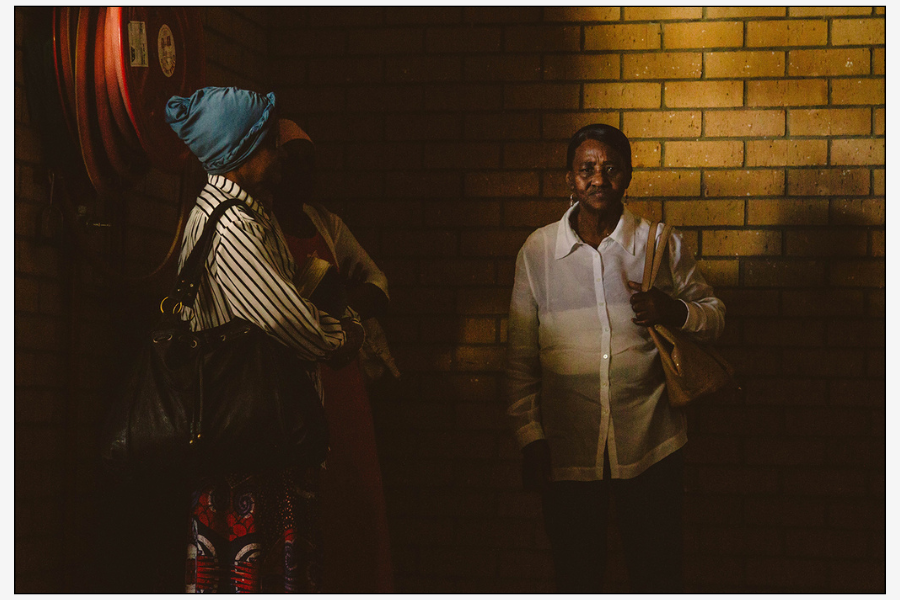
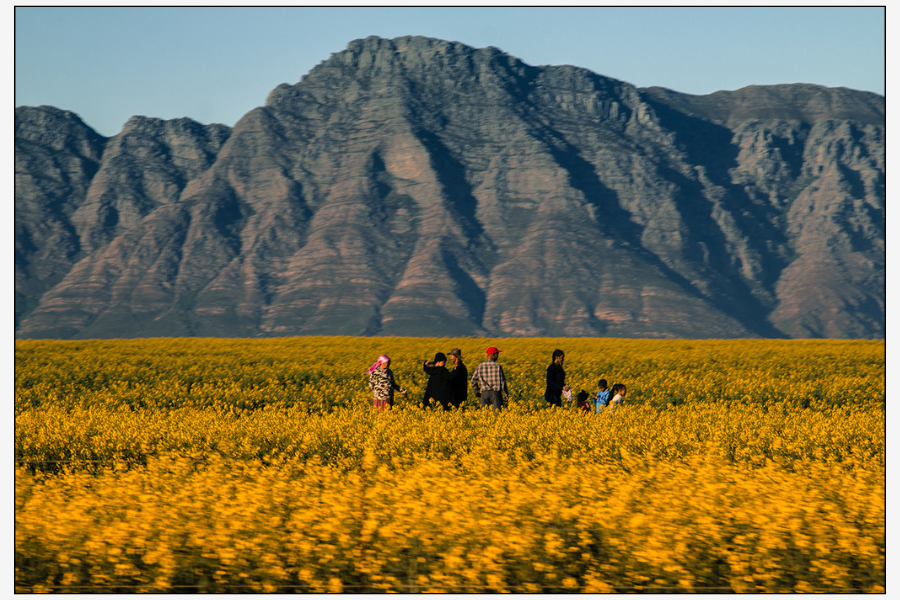
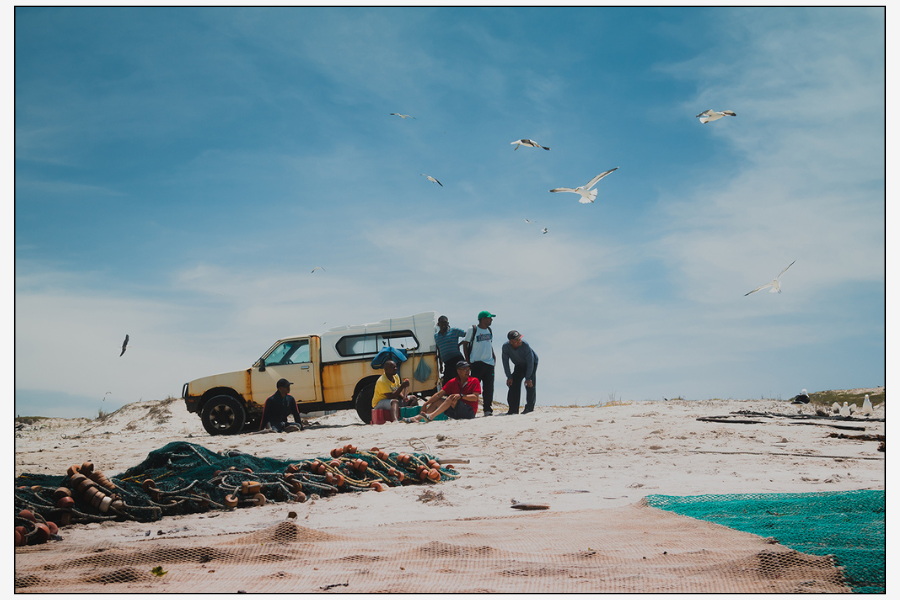
Durante um ano como residente naquela comunidade, mais do que fotografias e retratos, a memória documentou incontáveis histórias. Os registros revelam uma África do Sul que transcende as manchetes e o paraíso turístico – uma comunidade onde projetos sociais, diversidade religiosa e a resiliência do povo se mantêm de pé apesar da herança do apartheid. Talvez seja essa força que inspirava o versículo frequentemente citado na comunidade: “Então todas as nações os chamarão de abençoados, pois sua terra será cheia de alegria”, diz o SENHOR dos Exércitos (Malaquias 3:12).
English version
The natural beauty of Cape Town is one of the most beautiful things I have ever seen. The first thing our eyes capture upon arriving in this place is the exuberant, splendorous, and imposing mountain range that embraces South Africa’s touristic legislative capital. But this fascinating beauty conceals a sad social, economic, and political reality.
In 2018, South Africa was going through what would prove to be a crucial crisis. That year, Jacob Zuma, the president who had been in office for more than a decade, resigned from power following corruption scandals and billion-dollar losses to the economy. As an external observer who had just arrived in that country, I was able to witness the contrast between touristic Africa and everyday reality—a reflection of a recent past filled with much suffering.
Just over half a century ago, racial segregation laws and actions were systematically implemented upon that people. Black people could not mix with whites—neighborhoods, cities, buses, beaches… everything was separated for blacks only. These limitations extended to education, consequently generating cheap labor and also hindering the professional development of black people in the country.
South Africa’s history began to be rewritten from the 1940s onward. Under Nelson Mandela’s leadership, the country took its first steps toward a new phase—fighting against the unjust laws of apartheid, persecution, radicalization of the struggle, imprisonment of the leader, until, in 1994, Mandela was elected the country’s first black president.
Among the many settlements and suburbs created by the apartheid government, Mitchells Plain was one of these areas. Located 28 km from the city center, between the beautiful region of Muizenberg—Cape Town’s main surfing spot—and the unhealthy region of Khayelitsha—where one of the largest and poorest settlements is located, where there is no adequate basic sanitation for the majority, where many families live in containers and bathrooms are communal—lies Mitchells Plain.
It was in this scenario of social, cultural, and criminal contrasts that I developed, throughout 2018, an unpretentious photographic documentary work on the realities of the community around me. Embedded in the religious life of a local Christian faith community, I witnessed up close the projects developed by the local Hillsong. With the motto “Building A Church, To Build A Nation”, the institution developed projects aimed at the integral development of residents of suburbs and peripheries.
Culture and religious realities are plural in this place. While Christianity has been of great importance in personal development, the strength of Islamic culture, Muslim family structures, and Indian cuisine are also very present in the community. For a Brazilian, this diversity contrasted with the Christian and Latin American cultural reality of the home country, constantly providing new cultural surprises in that nation.
During a year as a resident in that community, more than photographs and portraits, memory documented countless stories. The records reveal a South Africa that transcends headlines and tourist paradise—a community where social projects, religious diversity, and the people’s resilience remain standing despite apartheid’s legacy. Perhaps it was this strength that inspired the verse frequently quoted in the community: “Then all the nations will call you blessed, for yours will be a delightful land,” says the Lord Almighty” (Malachi 3:12).
 MARCUS MELO | Photographer