
A região conhecida atualmente como Turquia ocupa posição fundamental na história do cristianismo inicial. Após Israel, foi o território mais mencionado no Novo Testamento, abrigando comunidades cristãs elogiadas pelo apóstolo Paulo e igrejas especificamente citadas no livro do Apocalipse.
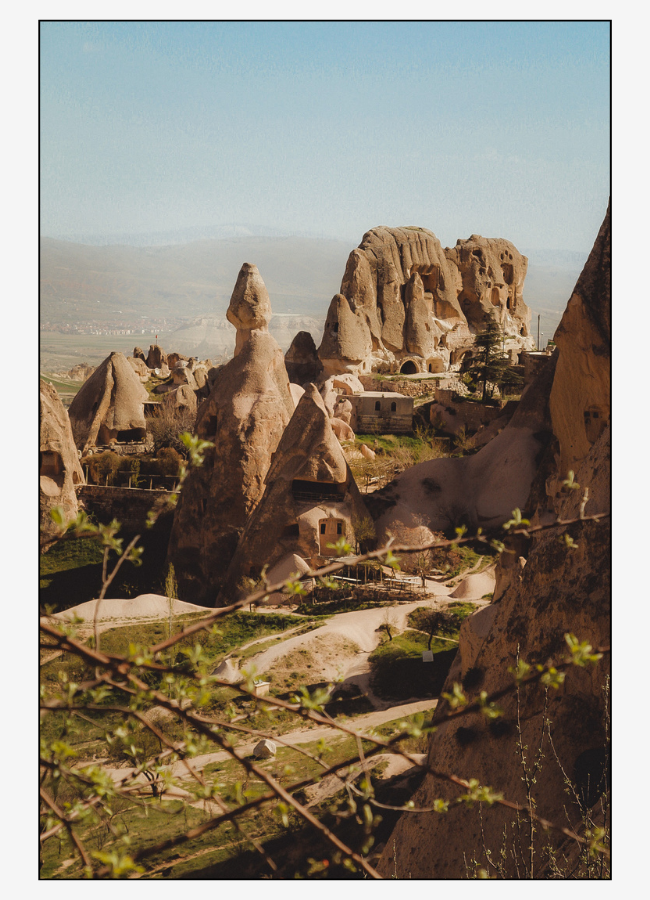
Éfeso, uma das cidades mais desenvolvidas da Ásia Menor no século I1, serviu como centro vital para a evangelização cristã e palco de importantes pregações paulinas2. Laodicéia, conhecida por sua produção de seda e colírios, tornou-se emblemática na narrativa bíblica por sua posição geográfica entre as fontes frias de Colossos e as fontes termais de Hierápolis (atual Pamukkale), realidade que forneceu metáforas utilizadas nos textos bíblicos3. A Capadócia preserva hoje no Parque Nacional de Göreme um extraordinário complexo de igrejas e mosteiros bizantinos esculpidos na rocha, testemunhos arqueológicos da importância cristã histórica da região.


A virada decisiva ocorreu em 1453, com a queda de Constantinopla para os otomanos. Na época, a cidade tinha cerca de 50 mil moradores e já se resumia a pequenos povoados espalhados entre áreas rurais, reflexo do declínio do Império Bizantino4.
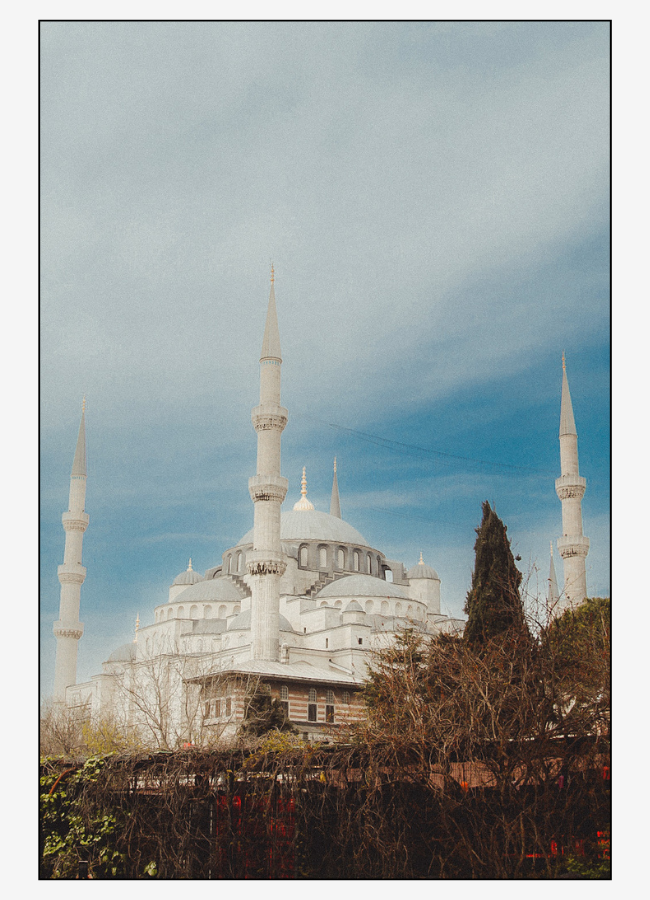
A Hagia Sophia, em Istambul, simboliza esta transição histórica. Originalmente construída como catedral da Igreja Ortodoxa de Constantinopla, funcionou posteriormente como catedral católica romana antes de ser convertida em mesquita entre 1453 e 1931, período durante o qual elementos arquitetônicos cristãos foram sistematicamente alterados5.
O Império Otomano estabeleceu políticas específicas para populações não-muçulmanas, implementando gradualmente mudanças educacionais e culturais que favoreceram a islamização da região. A porcentagem de cristãos na Turquia declinou de cerca de 25% em 1914 para menos de 0,5% atualmente. Estimativas atuais indicam que 99% da população turca de 85 milhões se identifica como muçulmana6.
Apesar da mudança demográfica, o legado cristão da Turquia permanece preservado principalmente através de sítios arqueológicos, museus e monumentos históricos. Estes testemunhos materiais da rica herança cristã primitiva da Anatólia contrastam com a realidade demográfica contemporânea, oferecendo evidências tangíveis de uma transformação histórica que redefiniu a identidade religiosa de uma das regiões mais significativas do cristianismo.

[Em 2023, realizei uma expedição à Turquia visitando as principais cidades mencionadas no Novo Testamento. Na ocasião, observei a transformação da identidade religiosa do país ao longo dos séculos. Este olhar baseia-se em relatos de guias locais, observações de sítios arqueológicos e fontes bibliográficas que documentam a evolução histórica da região].
English version
The region currently known as Turkey occupies a fundamental position in early Christian history. After Israel, it was the territory most mentioned in the New Testament, harboring Christian communities praised by the Apostle Paul and churches specifically cited in the book of Revelation.
Ephesus, one of the most developed cities in Asia Minor in the first century, served as a vital center for Christian evangelization and the stage for important Pauline preaching. Laodicea, known for its silk and eye salve production, became emblematic in the biblical narrative due to its geographic position between the cold springs of Colossae and the hot springs of Hierapolis (present-day Pamukkale), a reality that provided metaphors used in biblical texts. Cappadocia today preserves in Göreme National Park an extraordinary complex of Byzantine churches and monasteries carved into rock, archaeological testimonies to the region’s historical Christian importance.
The decisive turning point occurred in 1453, with the fall of Constantinople to the Ottomans. At the time, the city had about 50,000 residents and had already been reduced to small settlements scattered among rural areas, reflecting the decline of the Byzantine Empire.
The Hagia Sophia in Istanbul symbolizes this historical transition. Originally built as the cathedral of the Orthodox Church of Constantinople, it later functioned as a Roman Catholic cathedral before being converted into a mosque between 1453 and 1931, a period during which Christian architectural elements were systematically altered.
The Ottoman Empire established specific policies for non-Muslim populations, gradually implementing educational and cultural changes that favored the Islamization of the region. The percentage of Christians in Turkey declined from about 25% in 1914 to less than 0.5% currently. Current estimates indicate that 99% of Turkey’s population of 85 million identifies as Muslim.
Despite the demographic change, Turkey’s Christian legacy remains preserved mainly through archaeological sites, museums, and historical monuments. These material testimonies to Anatolia’s rich primitive Christian heritage contrast with contemporary demographic reality, offering tangible evidence of a historical transformation that redefined the religious identity of one of Christianity’s most significant regions.
[In 2023, I conducted an expedition to Turkey visiting the main cities mentioned in the New Testament. On that occasion, I observed the transformation of the country’s religious identity over the centuries. This perspective is based on accounts from local guides, observations of archaeological sites, and bibliographic sources that document the region’s historical evolution].
- [Cidade de Éfeso] ↩︎
- [Livro de Efésios no Novo Testamento da Bíblia Sagrada] ↩︎
- [Livro de Apocalipse 3: 14-22] ↩︎
- [A queda de Constantinopla] ↩︎
- [Mesquita Hagia Sophia] ↩︎
- [Relatório de 2022 sobre Liberdade Religiosa na Turquia] ↩︎
 MARCUS MELO | Photographer